March 14, 2026
Trees add beauty, shade, and character to any property. They provide habitat for wildlife, help regulate temperature around the home, and create a landscape that feels established and welcoming. However, there are times when a tree may become a concern rather than an asset. Storm damage, disease, unstable roots, or proximity to structures can turn a once-healthy tree into a potential hazard.
Homeowners often face a difficult decision: should the tree be preserved or removed? Determining the right choice requires careful observation and sometimes professional insight. In many cases, maintenance or trimming can extend the life of a tree. In others, seeking local tree removal services may be the safest option for protecting your property and the people around it.
Understanding the signs that indicate whether a tree can be saved or should be removed can help you make a confident and informed decision.
Evaluate Tree Health
One of the most important factors when deciding whether to remove or preserve a tree is its overall health. A thriving tree typically shows signs of strong growth, full foliage, and consistent seasonal development. Leaves should appear vibrant and evenly distributed throughout the canopy.
On the other hand, signs of declining health may include thinning leaves, unusual discoloration, or sections of the canopy that fail to produce new growth. Bark that peels excessively or appears cracked may also signal internal problems. In some cases, fungal growth near the base of the trunk can indicate decay within the tree.
It is important to remember that some health issues can be treated. Proper pruning, soil care, and pest management may restore a struggling tree to better condition. Consulting an arborist can often reveal whether rehabilitation is possible.
If the tree shows widespread decay or irreversible disease, however, it may pose a long-term risk. In such situations, homeowners frequently explore local tree removal services to prevent the tree from becoming unstable or hazardous.
Inspect Structural Stability
Even a tree that appears healthy may develop structural weaknesses over time. Storms, soil shifts, and natural aging can all affect a tree’s internal stability.
A major indicator of structural concern is a pronounced lean. While some trees naturally grow at an angle, a sudden shift in position or exposed roots may suggest that the tree is losing its footing in the soil. Large cracks in the trunk or deep splits in major branches can also compromise the tree’s ability to remain upright during strong winds.
Another warning sign involves hollow sections within the trunk. While some trees can survive with minor cavities, extensive hollow areas reduce the tree’s structural strength. Over time, this can lead to breakage or collapse.
If structural damage appears severe, consulting professionals who specialize in local tree removal may help determine whether the tree can be stabilized or should be safely removed before it causes damage.
Consider Location and Risk
A tree’s placement within the landscape plays a significant role in the decision-making process. Trees growing far from buildings, driveways, and utility lines may pose minimal risk even if they show some signs of aging.
However, trees located near homes, garages, or frequently used outdoor spaces require closer attention. Falling branches or an uprooted trunk can lead to costly repairs and potential injuries.
Roots may also interfere with sidewalks, foundations, or underground pipes. As roots expand, they can lift paved surfaces or create cracks in nearby structures. While root systems are essential for the tree’s stability, their growth patterns sometimes conflict with nearby infrastructure.
When a tree begins to threaten structures or essential utilities, homeowners often weigh the benefits of preservation against the potential risks. In these cases, contacting a local tree removal professional can provide clarity on whether relocation, trimming, or removal is the best solution.
Weigh Ecological Benefits
Before deciding to remove a tree, it is worth considering the environmental and aesthetic advantages that trees provide. Mature trees offer shade that helps cool surrounding areas and reduces heat buildup around the home.
They also play an important role in improving air quality and supporting local ecosystems. Birds, insects, and small animals often rely on established trees for shelter and nesting areas.
Beyond environmental benefits, trees can significantly influence property appeal. According to Better Homes & Gardens, mature trees can boost a home’s value by 10% to 20%. This increase reflects the visual appeal, shade, and character that established trees bring to a landscape.
For this reason, homeowners should consider removal only when necessary. If a tree remains structurally sound and healthy, proper care may allow it to continue enhancing the property for years to come.
Recognize Signs of Decline
Some warning signs clearly indicate that a tree may be nearing the end of its life cycle. Recognizing these symptoms early can prevent unexpected hazards and help homeowners act before conditions worsen.
Common indicators of serious decline include:
- Large dead branches that frequently fall
- Significant sections of missing bark
- Extensive fungal growth around the trunk
- Hollow or severely decayed wood
- Sudden loss of foliage during the growing season
When several of these signs appear together, the tree may no longer be structurally reliable. In such cases, delaying action could increase the risk of storm damage or collapse.
Working with experts in local tree removal allows homeowners to evaluate these warning signs and determine whether removal is the safest path forward. Professionals can assess factors that may not be obvious at first glance, such as internal decay, root instability, or hidden structural weaknesses. Their guidance helps homeowners make informed decisions that prioritize safety while preserving the overall health and appearance of the landscape whenever possible.
Consult Local Professionals
Although many visual clues can help guide a decision, professional evaluation often provides the clearest answer. Certified arborists and experienced tree specialists can assess both visible and hidden factors that influence a tree’s stability.
A professional inspection typically includes evaluating the trunk, root system, canopy health, and surrounding soil conditions. Specialists may also consider factors such as wind exposure, soil compaction, and previous storm damage.
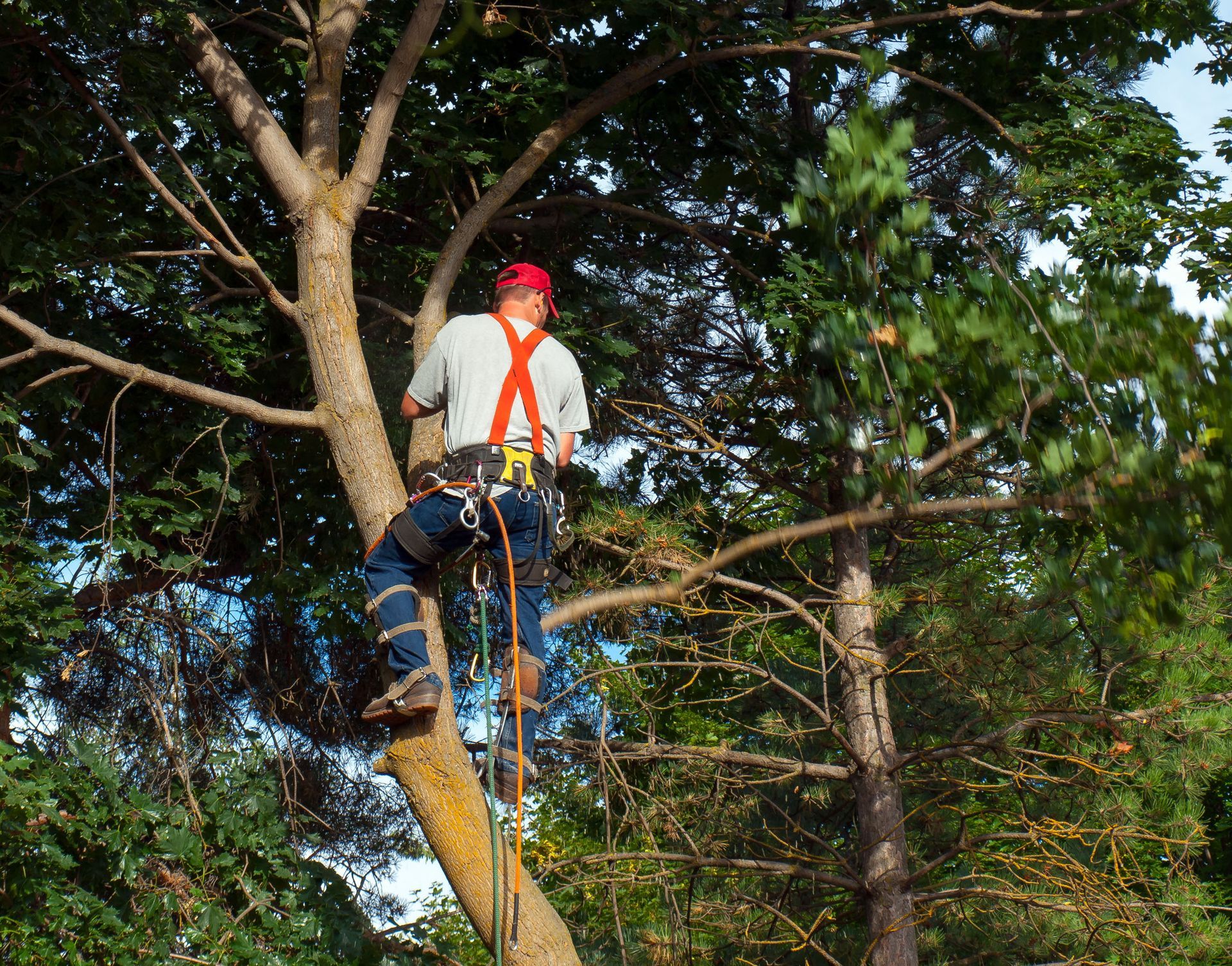
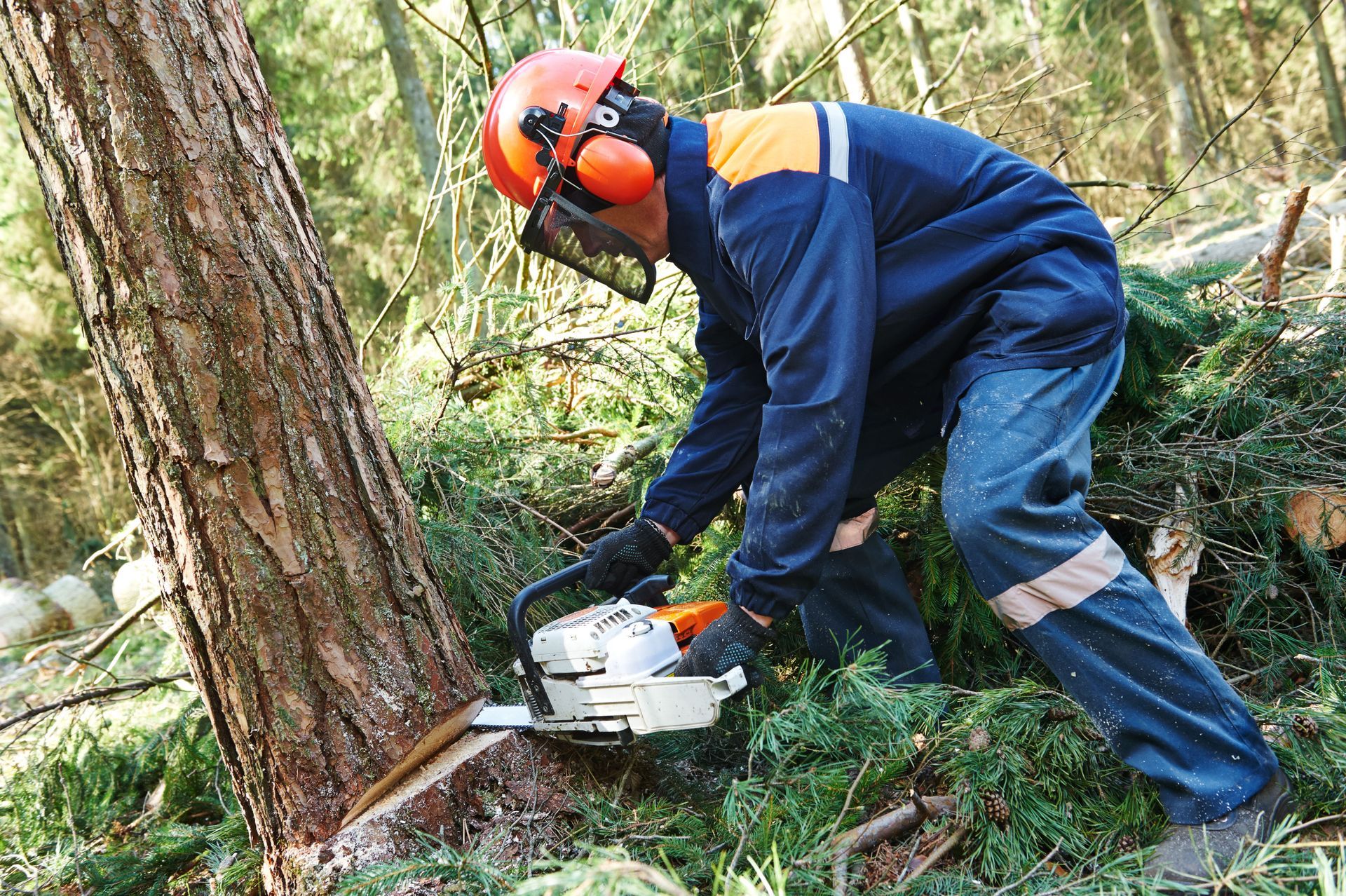
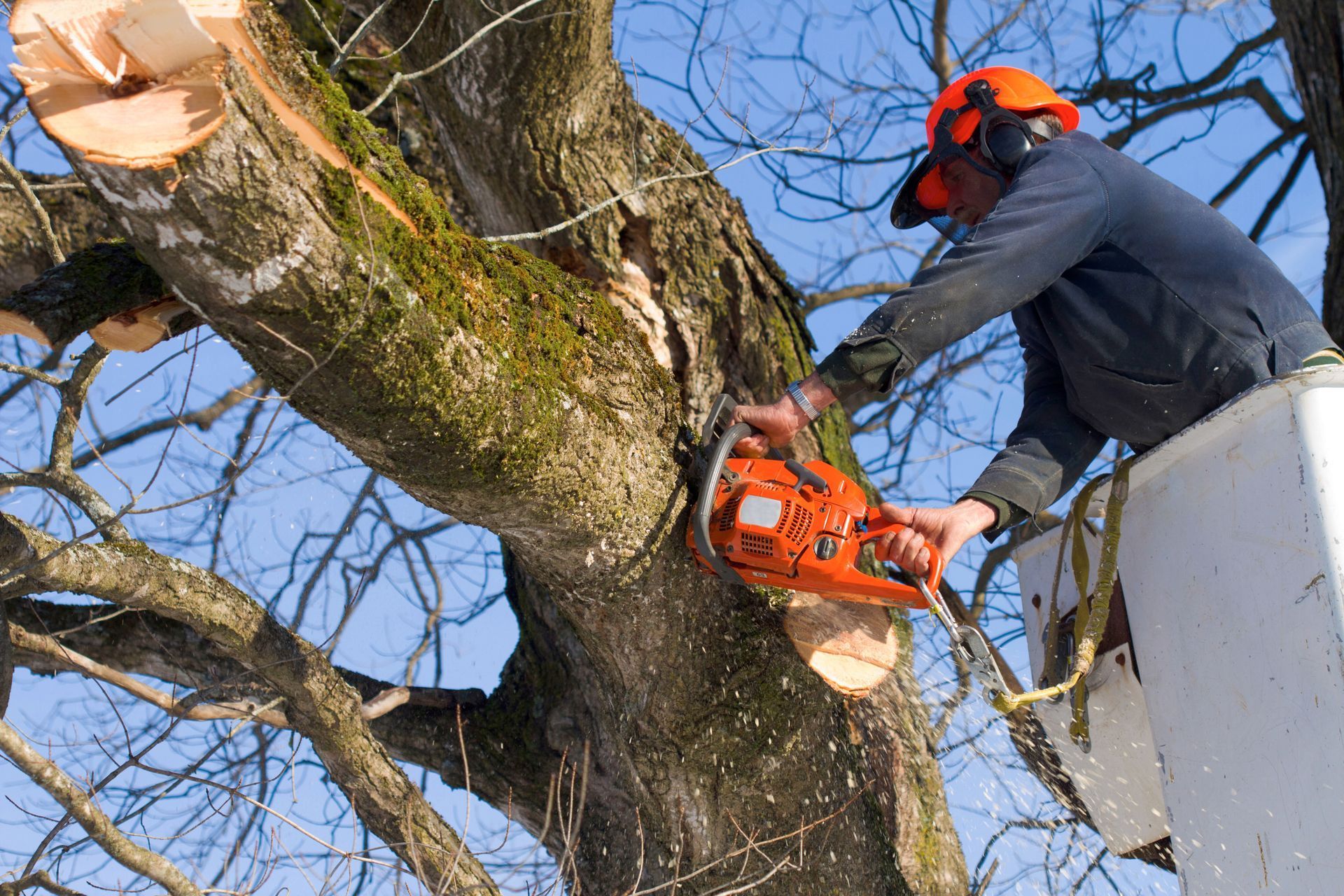
These evaluations help determine whether a tree can be preserved through pruning or treatment, or whether removal is the safer option. When removal becomes necessary, trained crews use specialized equipment and techniques to ensure the process is completed safely and efficiently.
Choosing a reliable provider for local tree removal ensures that the work is handled with proper care for the surrounding landscape and structures. It also helps minimize disruption to nearby plants, hardscape, and property features during the removal process.
Deciding whether to save or remove a tree is rarely a simple choice. Trees contribute beauty, shade, and ecological benefits, but they can also become hazards when disease, structural damage, or poor placement comes into play.
Carefully evaluating the tree’s health, stability, and location can help homeowners make a thoughtful decision. While many trees can be preserved through proper care and maintenance, others may require removal to protect nearby structures and ensure safety.
When uncertainty arises, professional guidance can make the process far less stressful. Experts can assess the situation objectively and recommend the most responsible course of action.
If you are unsure whether a tree on your property should be preserved or removed, the experienced team at Limb Walkers Tree Service can help. Our specialists provide reliable inspections and safe local tree removal solutions designed to protect your home, landscape, and peace of mind.